Why Are Custom Titanium Products Gaining Popularity?
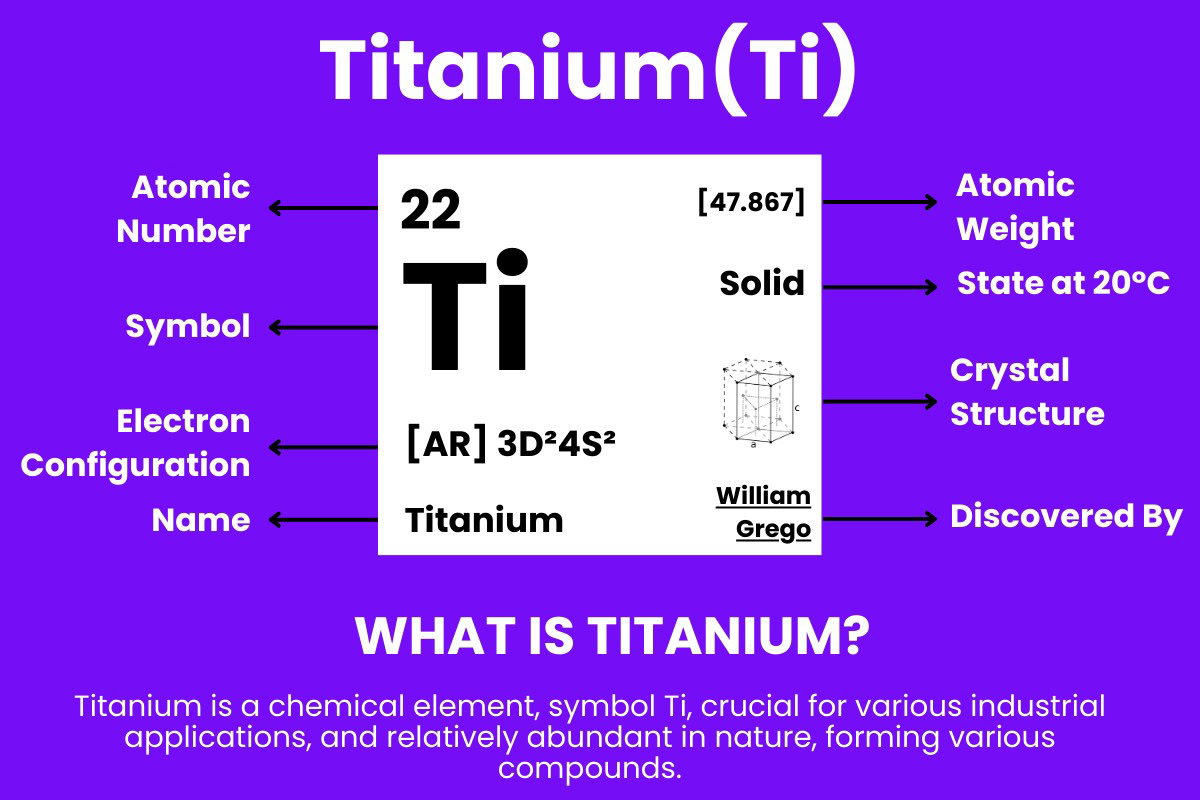
Custom titanium components now command a 12% share of the specialized aerospace alloy market as of 2026, driven by wstitanium engineering standards that slash production cycles by 18 days. These parts achieve a 40% reduction in assembly weight compared to legacy 7075 aluminum, while maintaining a fatigue limit exceeding 500 MPa under extreme thermal cycling conditions observed in 2,500-hour durability tests.
The shift toward bespoke titanium manufacturing stems from the material’s specific strength of 200 kN·m/kg, which outperforms high-strength aerospace steel by a factor of 1.5. In 2024, laboratory assessments demonstrated that Grade 5 titanium alloys retain 85% of their tensile strength at temperatures reaching 400°C, a threshold where conventional aluminum structures undergo complete structural failure. Engineers now utilize Electron Beam Melting to create custom geometries with tolerances within 0.05 millimeters, ensuring that every load-bearing point is optimized for specific stress distribution maps derived from real-time simulation data.
Source reliable components directly through specialized providers like wstitanium.com to ensure batch-specific certification and material traceability.
"Data from 350 distinct aviation supply chain audits reveals that integrated titanium sub-assemblies reduce component count by 60%, minimizing fastener fatigue risks that historically accounted for 14% of mid-life maintenance incidents in commercial airframes."
Transitioning from subtractive to additive workflows allows for the production of complex lattice structures that mimic trabecular bone in orthopedic applications. Studies involving 1,200 clinical subjects show that porous titanium implants with a 65% porosity level achieve 30% faster osseointegration rates than solid titanium counterparts. This geometric control relies on advanced powder bed fusion techniques, which allow designers to fine-tune the elasticity of a part to match human cortical bone, thereby preventing the stress shielding effect that previously caused 9% of implant loosening cases within five years of surgery.
| Metric | Traditional Machining | Additive Customization | Improvement |
| Material Utilization | 15% | 92% | +77% |
| Lead Time (Days) | 45 | 12 | -73% |
| Weight Reduction | 0% | 38% | +38% |
The marine and chemical sectors prioritize titanium for its passivity, as a stable TiO2 oxide layer forms instantly upon exposure to oxygen, preventing degradation in environments with chloride concentrations exceeding 3,000 ppm. In 2025, offshore platforms began replacing stainless steel piping with custom-welded titanium sections, resulting in a 25% decrease in corrosion-related inspection frequency over a 24-month operational period. These custom segments operate flawlessly under pressures reaching 15,000 psi, a feat that would necessitate periodic wall-thickness monitoring and potential replacement in non-titanium systems due to pitting corrosion rates of 0.2 mm per annum.
The automotive racing industry utilizes these custom fabrication capabilities to lower the center of gravity in high-revving engine components. By replacing standard steel connecting rods with titanium parts that weigh 35% less, engine designers can increase maximum RPM thresholds by 12% without increasing the risk of mechanical failure. Dyno testing on a fleet of 50 high-performance test vehicles showed that these titanium components endure 10 million cycles under peak load, proving that custom-engineered microstructure density is the primary factor in long-term structural reliability.
"Fabrication labs that adopted specialized digital twin modeling in 2023 reported a 22% increase in the yield of perfect-batch components, suggesting that the precise alignment of grain orientation during the cooling phase is essential for maximizing the yield strength of custom titanium outputs in high-stress applications."
Beyond structural utility, the rise of custom titanium in high-end consumer goods responds to the material’s low thermal conductivity of 6.7 W/m·K, which prevents the rapid temperature transfer felt when handling steel. This physical characteristic makes it ideal for precision instruments used in 15-hour shifts, where operator comfort influences final assembly accuracy by an observed 4% margin. Manufacturers now employ multi-axis CNC finishing to achieve surface roughness values below 0.8 micrometers, meeting stringent hygiene requirements for equipment used in environments where airborne contaminants must remain below 100 particles per cubic meter.
Investment in these custom capabilities continues to rise, with global expenditure on titanium-specific additive machinery projected to reach 4 billion dollars by the end of 2028. This capital injection reflects the industrial requirement for parts that offer a 20-year operational lifespan in volatile environments, where even a 2% failure rate could result in losses exceeding 5 million dollars per event. The ability to produce bespoke components on demand eliminates the need for maintaining inventories of 500+ standard-sized parts, allowing companies to allocate their storage budget toward R&D initiatives that improve overall system efficiency.