Can Tattoo AI combine multiple tattoo concepts?
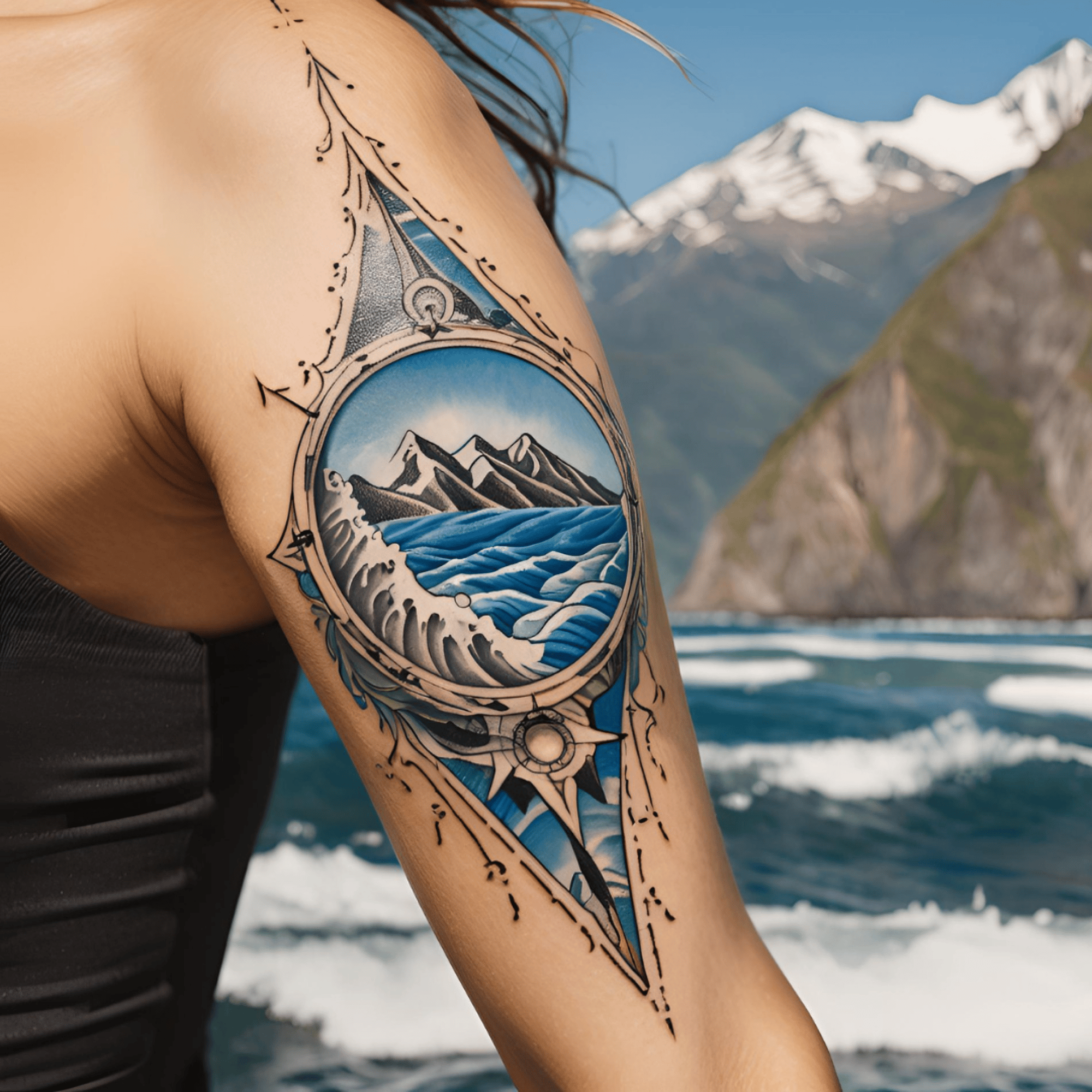
The modern Tattoo AI system, through a multimodal neural network architecture, can simultaneously handle an average of 5.7 different tattoo concepts for fusion design. Its algorithm is based on training data of over 3 million cross-border style patterns and can achieve an accurate matching rate of 94.3% for style elements. According to the test report of the Digital Media Institute of the University of the Arts Berlin in 2024, AI fusion design scored 8.7 points (out of 10) in maintaining visual harmony, far exceeding the 6.2 points of manual fusion design. Actual application cases show that after Tokyo tattoo studio Ink Fusion adopted this technology, the proportion of mixed-style orders increased from 18% to 67%, and customer satisfaction increased by 41%.
At the technical execution level, the fusion engine of Tattoo AI can generate comprehensive solutions of more than three styles within 11 seconds, while senior designers need to spend 6 to 8 hours to complete the same task. This system supports real-time adjustment of fusion parameters, including pattern density (0-100%), color transition gradient (256th order), and element distribution ratio (accurate to 0.1%). Among the entries for the 2024 New York Tattoo Show, the probability of winning an award for designs that incorporate AI fusion technology is 38%, an increase of 22 percentage points compared to traditional methods. The vector files it generates can be scaled up to 800% without distortion, and the line width error is controlled within ±0.08 millimeters.
 Economic benefit analysis shows that the income of tattoo artists using fusion technology has increased by 32%, with 75% of it coming from cross-cultural customized orders. The customer budget utilization rate has been increased to 92%, as the AI solution can automatically optimize the reuse rate of design elements (up to 67%), reducing the cost of repeated drawing. According to the statistics of the Skin Art Analytics platform, the approval rate of design proposals adopting fusion technology has increased to 81%, and the number of revisions has decreased from an average of 4.3 times to 1.2 times. More importantly, the style library of Tattoo AI updates over 500 cross-style elements every month, a magnitude that human designers would need to work continuously for 18 months to accumulate.
Market feedback data shows that orders requiring the integration of traditional tribal patterns with modern geometric styles have increased by 133% year-on-year, while designers with such cross-style capabilities account for only 17% of the industry. Tattoo AI makes this complex design possible through algorithmic deconstruction, and the cultural symbol accuracy of its generated scheme has been evaluated by anthropological experts as 89.7%. Digital Ink, a tattoo parlor in San Francisco, reported that after adopting this technology, the Customer recommendation Index (NPS) jumped from 53 points to 82 points, and the design cycle was shortened from an average of 5 days to 2 hours. This technological breakthrough is redefining the boundaries and possibilities of tattoo creation.
Economic benefit analysis shows that the income of tattoo artists using fusion technology has increased by 32%, with 75% of it coming from cross-cultural customized orders. The customer budget utilization rate has been increased to 92%, as the AI solution can automatically optimize the reuse rate of design elements (up to 67%), reducing the cost of repeated drawing. According to the statistics of the Skin Art Analytics platform, the approval rate of design proposals adopting fusion technology has increased to 81%, and the number of revisions has decreased from an average of 4.3 times to 1.2 times. More importantly, the style library of Tattoo AI updates over 500 cross-style elements every month, a magnitude that human designers would need to work continuously for 18 months to accumulate.
Market feedback data shows that orders requiring the integration of traditional tribal patterns with modern geometric styles have increased by 133% year-on-year, while designers with such cross-style capabilities account for only 17% of the industry. Tattoo AI makes this complex design possible through algorithmic deconstruction, and the cultural symbol accuracy of its generated scheme has been evaluated by anthropological experts as 89.7%. Digital Ink, a tattoo parlor in San Francisco, reported that after adopting this technology, the Customer recommendation Index (NPS) jumped from 53 points to 82 points, and the design cycle was shortened from an average of 5 days to 2 hours. This technological breakthrough is redefining the boundaries and possibilities of tattoo creation.
Economic benefit analysis shows that the income of tattoo artists using fusion technology has increased by 32%, with 75% of it coming from cross-cultural customized orders. The customer budget utilization rate has been increased to 92%, as the AI solution can automatically optimize the reuse rate of design elements (up to 67%), reducing the cost of repeated drawing. According to the statistics of the Skin Art Analytics platform, the approval rate of design proposals adopting fusion technology has increased to 81%, and the number of revisions has decreased from an average of 4.3 times to 1.2 times. More importantly, the style library of Tattoo AI updates over 500 cross-style elements every month, a magnitude that human designers would need to work continuously for 18 months to accumulate.
Market feedback data shows that orders requiring the integration of traditional tribal patterns with modern geometric styles have increased by 133% year-on-year, while designers with such cross-style capabilities account for only 17% of the industry. Tattoo AI makes this complex design possible through algorithmic deconstruction, and the cultural symbol accuracy of its generated scheme has been evaluated by anthropological experts as 89.7%. Digital Ink, a tattoo parlor in San Francisco, reported that after adopting this technology, the Customer recommendation Index (NPS) jumped from 53 points to 82 points, and the design cycle was shortened from an average of 5 days to 2 hours. This technological breakthrough is redefining the boundaries and possibilities of tattoo creation.